
Wearable and BLE app development services

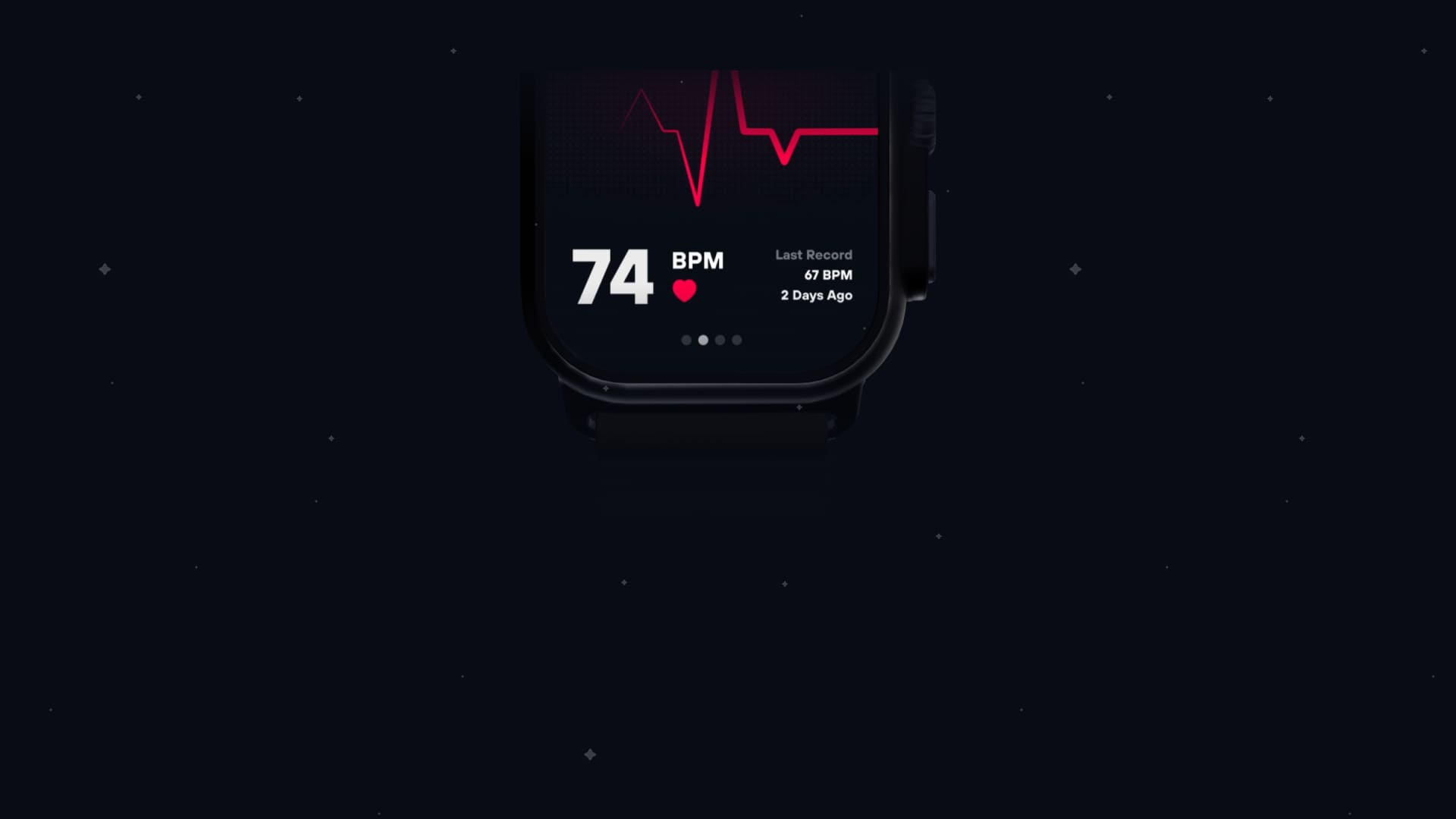
Wearable and BLE app development at Mercury Development covers pairing, watchOS and Wear OS apps, and Apple HealthKit sync. We have been building Bluetooth Low Energy products since 2012, from Kensington's tracking tags to Tonal's connected trainer.

Why teams call us

Where wearable and BLE builds break

Almost nobody arrives at the idea stage. They arrive with hardware that already exists and software that is not keeping up with it. Three situations account for most of those calls.

Data lands wrong

Data lands wrong

A day of steps shows up as one lump instead of hour by hour. Calories go missing, sleep never syncs on Android. We rebuild the sync layer and verify it against physical sensors, so users see what the device actually recorded.

Hardware ships first

Hardware ships first

Your device has a ship date and your app has a backlog. Finished units sit in a warehouse with nothing to pair to. We put a working pairing flow into the first sprints and size the team against your hardware dates.

Locked to one sensor

Locked to one sensor

The first integration gets written around one chipset. Add a second sensor brand and the whole connection layer needs a rewrite. We build that layer to take new devices from day one and hand over protocol docs with the code.

Whole build or one piece

Wearable and BLE services we deliver

Some clients hand over the whole connected product. Others need one part done properly: a pairing layer, a watch app, or a device test pass before launch. Each service below works either way.

BLE integration

Pairing, reconnection, and BLE GATT communication with your device. With standard BLE or ANT+ sensors, a shared data layer makes each new brand quicker to add.

Watch apps

Native watchOS apps in Swift and SwiftUI, and Wear OS apps in Kotlin. We built the watchOS app for Tonal's home gym, synced live with the machine.

Companion apps

iOS and Android apps that pair with your device and carry the experience around it. Kensington's BLE accessories run on iOS, Android, Windows, and macOS.

Health data sync

Two-way sync with Apple HealthKit, Google Fit, and Google Health Connect. We also build against Garmin Connect and Strava where a public API exists.

Device SDKs

The kit other developers use to support your hardware. For Bladepad we shipped an Objective-C SDK and a Unity 3D plugin, so game studios added support themselves.

On-device QA

Connectivity and functional tests on real hardware, not simulators. Every BLE build gets a device pass across the sensor brands and OS versions your users own.

Why Mercury Development for BLE work

Mercury Development has shipped software since 1999 and Bluetooth Low Energy products since 2012, for clients from startups to Fortune 500 companies. Every engineer has at least 3 years of experience and team leads have 7 or more. On Clutch that work holds a 5.0 rating across 34 verified reviews.

  • 1,500

    Apps delivered

  • 40M

    Users worldwide

  • 500

    Software engineers

HARDWARE

Wearable and BLE projects we shipped

Our connected device work runs from home gym equipment to Bluetooth accessories and game controllers. Tonal, Kensington Proximo, Bladepad, and Fitbit each brought a different connection problem. The next section takes them one at a time.

Tonal

01

Tonal

Tonal is an AI-powered smart fitness system. A team of 12 Mercury Development engineers works inside its iOS, Android, and Apple Watch codebase.

Kensington Proximo

02

Kensington Proximo

Proximo® is a mobile app that tracks valuables, alerts when left behind, and helps find lost items via BLE fobs and tags.

Bladepad

03

Bladepad

Bladepad was created to bridge the worlds of mobile devices and gaming.

Fitbit

04

Fitbit

Activity tracking apps and a social network for mobile and web platforms built by 50+ Mercury Development experts and used by more than 50,000,000 people.

Watch, phone, machine

BLE before Android had it

An SDK, not an app

Trackers at real scale

Tonal already had Android trainers and mobile apps running. We built the watchOS app and the session logic that keeps one workout in sync across all three at once.

Real-time Apple Health sync across three devices

Bluetooth and ANT+ heart rate monitors both supported

SwiftUI combined with Apple Combine before its release

Built onto an existing Flutter-based iOS app

Kensington needed Proximo tags on Android while Android still had no BLE support. We built against a pre-release Samsung SDK that covered one handset, and shipped a working app in 3 months.

Working Android app delivered in 3 months

BLE clients on iOS, Android, Windows, and macOS

Product recognized with a 2013 CES Innovation Award

Bladepad needed game studios to support its Bluetooth controller, which meant the deliverable was a kit rather than a product. We wrote the SDK and a plugin for the engine those studios already used.

Over 50 games supported before public launch

Objective-C SDK plus a Unity 3D plugin

Calibration app to correct the joystick response curve

In 2011 Fitbit was a startup with a clip-on step counter and new technology. We built the tracking apps and the social network around them, then stayed with the product for a decade.

Apps used by more than 50 million people

10 years on the same product line

Mobile and web platforms, plus a social network

How a BLE project runs

A connected product runs on two schedules, yours and your firmware's. Work moves in two-week sprints with a demo at the end of each, so software progress stays visible against hardware dates. You own the code at every stage, and the team resizes between phases.

Scope and audit

Scope and audit

We start on the hardware. What the device advertises over BLE, which characteristics matter, what the firmware handles, where health data lands: the estimate is built on that list.

Flow design

Flow design

Flows and screens for every connection state: searching, pairing, syncing, disconnected, low battery. Awkward states get solved on paper, where a change costs a drawing, not a sprint.

Design reviews

Design reviews

Review and feedback sessions are part of this phase, so flows get fixed while still drawings. The number of rounds is set in the estimate, so design never runs open-ended.

Development

Development

Sprint builds with planning and a demo every other week. Each demo runs on real hardware, so you judge progress against your launch date instead of reading a status report.

Device testing

Device testing

Functional and connectivity tests on the devices, sensors, and OS versions your users carry. No simulator can fake a dropped connection, a sleeping phone, or a dying battery.

Launch, support

Launch, support

We handle App Store and Google Play submission for the companion app. The same team then stays on for monitoring, OS updates, and changes your firmware roadmap brings.

Named tools, not logos

Wearable and BLE tech stack

This is the stack behind the work above. Native code where pairing and battery life decide the experience, cross-platform where budget decides it. Health data is handled to the standards regulators expect.

Wearable platforms

Apple Watch and watchOS, Wear OS and Android wearables, plus Google Glass and tvOS. Desktop clients on Windows and macOS when an accessory needs them.

Languages, frameworks

Swift, SwiftUI, Apple Combine, and Objective-C for Apple, Kotlin and Jetpack Compose for Android. Flutter or React Native for shared code, and C++ for device logic.

BLE and protocols

Bluetooth Low Energy, GATT services and characteristics, ANT+ for heart rate and sensor data. We also work with vendor SDKs and proprietary hardware protocols.

Health data SDKs

Apple HealthKit, Google Fit, Google Health Connect, Garmin Connect, and Strava. Workouts, heart rate, sleep, and activity sync into your app and back out.

Backend and cloud

AWS and Azure backends in Python, Go, and .NET on Kubernetes. They hold up when a gym full of devices syncs at once, and your team runs devices from an admin panel.

Compliance standards

We build to HIPAA, GDPR, CCPA, and SOC 2 requirements, with WCAG for accessibility. We document how each product stores, shares, and deletes health data.

Wearable and BLE app FAQ for 2026

Trusted by Industry Leaders

MAY 4, 2026
Clutch logo

Mercury Development has met all the client's project goals and exceeded their expectations. The team has managed the project in detail, hit all deadlines, managed expectations, and reprioritized tasks. Moreover, they've understood the client's business and become a true partner.

CEO, Sports Tech Company
FEB 4, 2026
Clutch logo

Mercury Development delivered the project on time with a structured approach and strong technical expertise. The engagement resulted in higher customer satisfaction, improved retention, and better regulatory compliance. Communication was through email, messages, and weekly virtual meetings.

President, Safeguard Solutions CBA Inc.
FEB 19, 2025
DesignRush logo

Development provides software integration and mobile app development for turnkey retail platforms, ensuring up-to-date functionality and system cohesion by scaling from 2–10 resources as needed. The team’s precise task breakdowns, affordable price point, and proactive reporting strengthen the partnership.

Matthew Kulig, Co-Founder & CFO at Aisle411
FEB 15, 2025
DesignRush logo

We’ve actually brought Mercury in across three totally different companies. First it was an app for car sales, then later they stepped in to fix a fire safety app that needed help, and now they’re building stuff for a valve manufacturer. Kinda shows they can jump into all sorts of industries and just get the work done.

Manager of Digital Marketing at Swagelok
DEC 8, 2022
Clutch logo

Mercury Development consistently delivers high-quality codes that the client has never seen from a contract organization. They've not only contributed to existing features but have also led the development of new initiatives. Overall, the client is impressed with the vendor's talented engineers.

CEO, Sports Tech Company
DEC 7, 2021
Clutch logo

Mercury Development has helped the client with all kinds of developments and acquisition plans. They were quickly able to familiarize themselves with the business, industry, and products. The team maintains strong control of the timelines and budget but remains open to changes and client requests.

Program Manager, Managed Dental Care organizati...
MAY 3, 2019
G2 logo

Mercury is very organised and there are no hidden surprises. They first scoped the project in detail, questioning the specification supplied as necessary. They also focussed on the success testing right from the start. I was also guided through the process so it was very straight-forward.

Andy D., Chief Operating Officer
MAR 6, 2018
GoodFirms logo

Mercury was awesome, they were reasonably priced, and took ownership over the project from the get-go. The code is clean, the app is polished, and they made multiple revisions very easy and at no additional charge. I would highly recommend working with them again, especially if you need an Apple TV app built with an API to your YouTube channel.

Aeron Sullivan, Director Of Audience Development...

Have questions?

Feel free to contact us and we'll respond as soon as possible.